

Connection Changes Everything.
The K-12 Approach That Makes It Possible.
In a world of noise, we help you provide something simple and powerful: meaningful relationships, personalized learning, and purpose-driven growth. WonderED is about confidence, compassion, curiosity, and connection. This is what makes your students stand out—and prepares them for life.
We Help You Implement the Framework of a WonderED Education

Core Classes
Early College
Project-Based Learning (PBL)

Book Study
Community Learning

Advisory
The WonderED Framework
Core Classes
Allowing for flexibility in learning core subjects across multiple platforms means offering diverse and adaptable educational tools and resources to accommodate various learning styles, preferences, and needs. This approach recognizes that students thrive in different environments and that no single method fits all.
By leveraging multiple platforms—such as video lessons, interactive apps, virtual classrooms, and self-paced modules—we provide personalized and engaging learning experiences. Students are also able to propose additional tools and pathways that meet their needs.
This flexibility promotes student-centered learning, enabling individuals to access content in formats that suit them best, whether through visual, auditory, or hands-on methods. It also enhances accessibility, ensuring that students with varying abilities, technological access, or schedules can participate fully. Ultimately, this approach fosters greater engagement, deeper understanding, and improved academic outcomes by meeting students where they are and adapting to their unique educational journeys.
Visit our Course Catalog
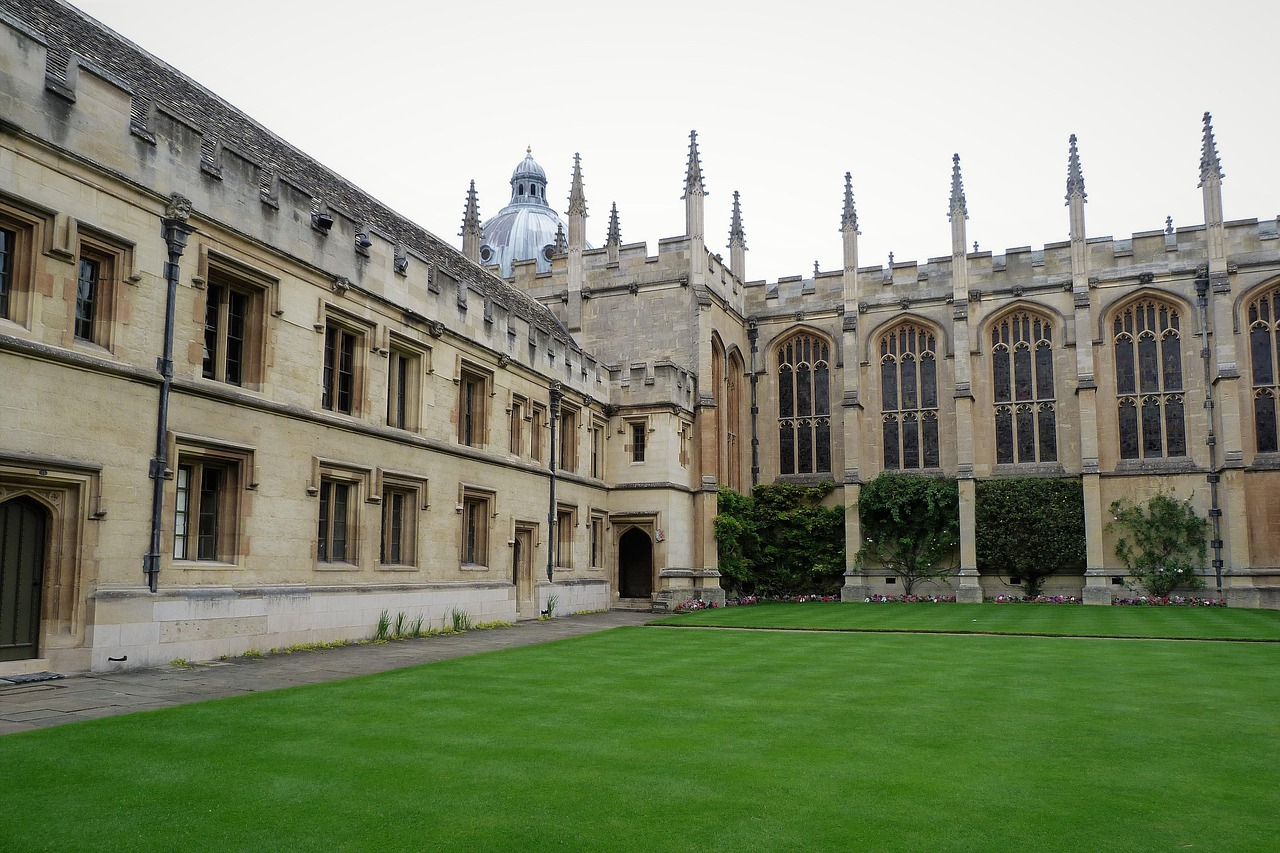
Early College
What Is the Early College Program?
The ASU Early College Program allows students to take real college courses online through our partnership with Arizona State University (ASU)—earning both high school and university credit at the same time.
College-level courses replace equivalent high school classes to help you meet graduation requirements. After each course, you choose whether to apply it to your official college transcript.
How It Works:
1. Select college courses from ASU that align with your high school plan.
2. Complete your courses online, with flexible pacing and support from your advisor.
3. Earn credit toward your high school diploma—college courses fulfill the required high school subjects.
4. Decide later if you want the course added to your official college transcript.
If you're satisfied with your performance, you can lock in the credit. If not, you can keep it as high school-only credit—no impact on your future GPA or record.
Visit the Early College College Catalog!
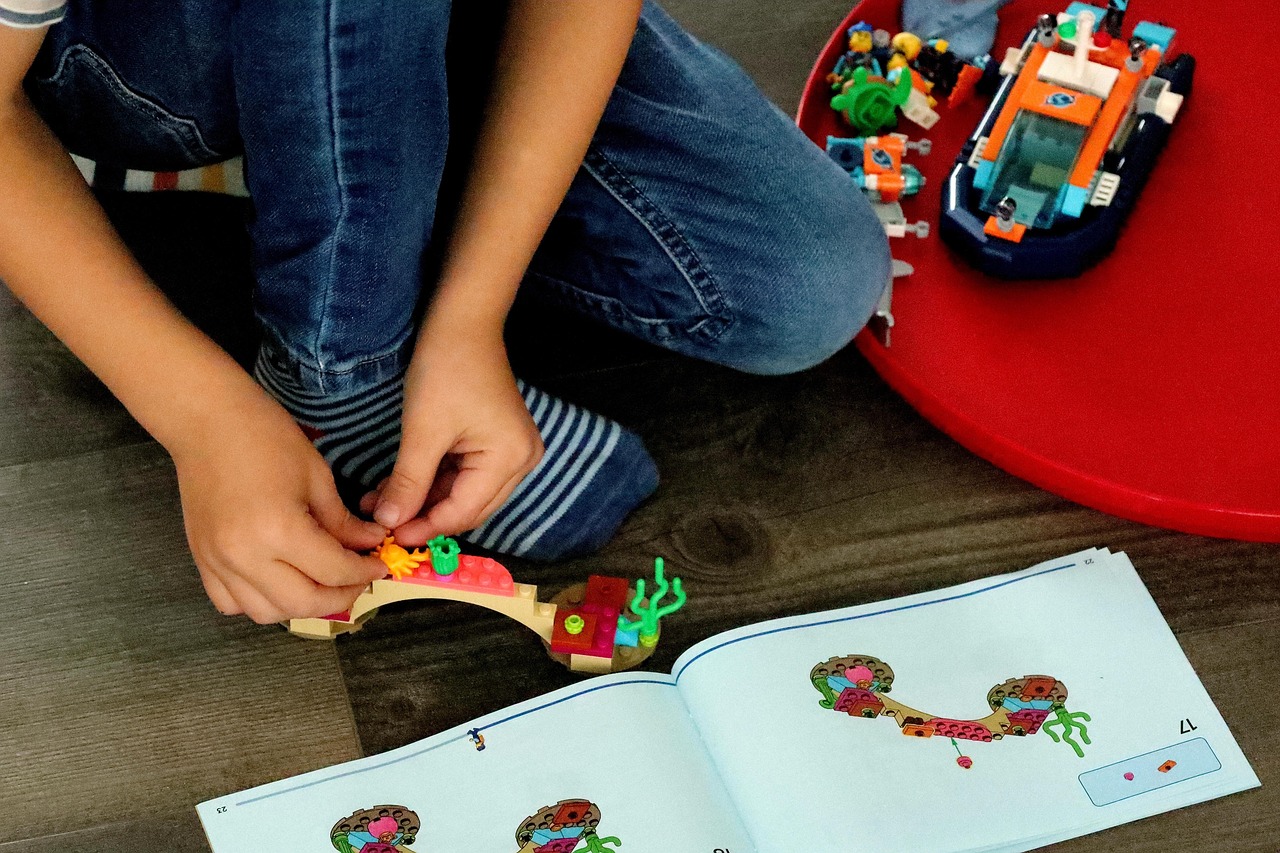
Project-Based Learning (PBL)
The program is structured in three phases: Foundation, Exploration, and Mastery. Each phase deepens students' competencies, builds on prior knowledge, and emphasizes practical, real-world applications.
Core Goals
Foster critical thinking, creativity, and collaboration through project-based learning.
Develop mastery in Design Thinking, Prototyping and Iterative Design, and Project Management.
Enable students to work on projects that align with their passions and have real-world relevance.
Key Components Across All Phases
Scaffolding Skills Development
Build progressively, with each phase incorporating deeper learning of Design Thinking, Prototyping, and Project Management.
Personalized Learning
Encourage students to choose projects based on their interests and passions, with mentorship to align these with real-world applications.
Integration of Technology
Use tools like Miro, Figma, Tinkercad, and project management platforms to support learning and collaboration.
Real-World Connections
Partner with local businesses, nonprofits, and industry experts to ensure projects have a real-world impact.
Feedback Loops
Regular peer reviews, mentor check-ins, and user testing sessions to ensure continuous improvement and learning.
Book Study
The objectives of Book Study are to develop critical reading and analytical skills by engaging with non-fiction texts through structured reading, discussion, and project-based assignments. Participants will demonstrate competency by completing weekly tasks, annotations, discussions, and final projects that showcase their deep understanding of the text.
Week 1: Orientation and Book Selection
- Welcome Session: Overview of the program, objectives, and expectations. Introduction to the competency being evaluated. Presentation of book options (a curated list of non-fiction titles based on themes like history, science, technology, etc.).
- Group discussion: What does it mean to critically analyze a text?
- Assignment:Choose a book and submit a short rationale for your selection, considering how it might connect to themes and provoke critical thinking.Set up an annotation method (digital tools like Hypothesis or sticky notes for physical books).
Weeks 2–3: Guided Reading, Annotations and Weekly Discussions
- Weekly Goals:
Read a designated section of the book (e.g., first third).
Annotate key passages to identify:
Themes and motifs.
Author’s purpose and rhetorical strategies.
Predictions and inferences based on evidence in the text.
Pose insightful questions related to the reading.
- Activities:
- - Passage Sharing:
Share one annotated passage per week in the group forum.
Explain: How the passage reveals a theme or motif.What it suggests about the author’s purpose. Any inferences or predictions you made.
- - Vocabulary Building:Contribute 2–3 new or challenging words from the reading to a shared vocabulary list. Include definitions and examples from the text.
- Assignment:Submit a 200-word reflection on the themes, motifs, or author’s purpose revealed in the section. Include one question you’d like the group to discuss.
Weeks 4–5: Deeper Analysis and Creative Exploration
- Weekly Goals:
Continue reading (middle sections of the book).
Deepen annotations by connecting recurring themes or motifs and expanding on the author’s purpose.
Track how the text supports or challenges your initial predictions and inferences.
- Activities:
- - Thematic Connections: Participants identify connections between their book and other texts, real-world events, or personal experiences.
- - Passage Sharing: Continue weekly passage sharing with added emphasis on evolving themes and predictions.
- - Vocabulary Expansion: Continue contributing new words and provide examples of how they help understand the author’s ideas.
- - Creative Exploration: Participants begin brainstorming and outlining their final projects. Examples include visual representations of motifs, essays exploring themes, or multimedia presentations of the author’s purpose.
- Assignment: Submit a rough outline of the final product, detailing how it demonstrates competency (e.g., analysis of themes, thoughtful predictions, or insightful questions).
Weeks 6–7: Final Products and Presentation Preparation
- Weekly Goals:
Complete the book and annotate final sections.
Synthesize themes, motifs, and author’s purpose across the text.
- Activities:
- - Peer Review: Share drafts or ideas for final products in small groups for feedback on how effectively they demonstrate competency.
- - Presentation Workshop: Tips for presenting analyses and creative projects. Practice articulating how their projects align with competency.
- Assignment: Submit the final version of the project.
Week 8: Showcase and Reflection
Showcase Session:
Participants present their projects and share annotated passages that highlight their analysis of themes, motifs, or the author’s purpose.
Discuss how their predictions and inferences evolved during the study.
Reflection Activity:
Group discussion: What insights did the book provide? How did analyzing themes and motifs deepen your understanding?
Participants reflect on their progress in meeting the competency and identify areas for further growth.
Individual Reflection
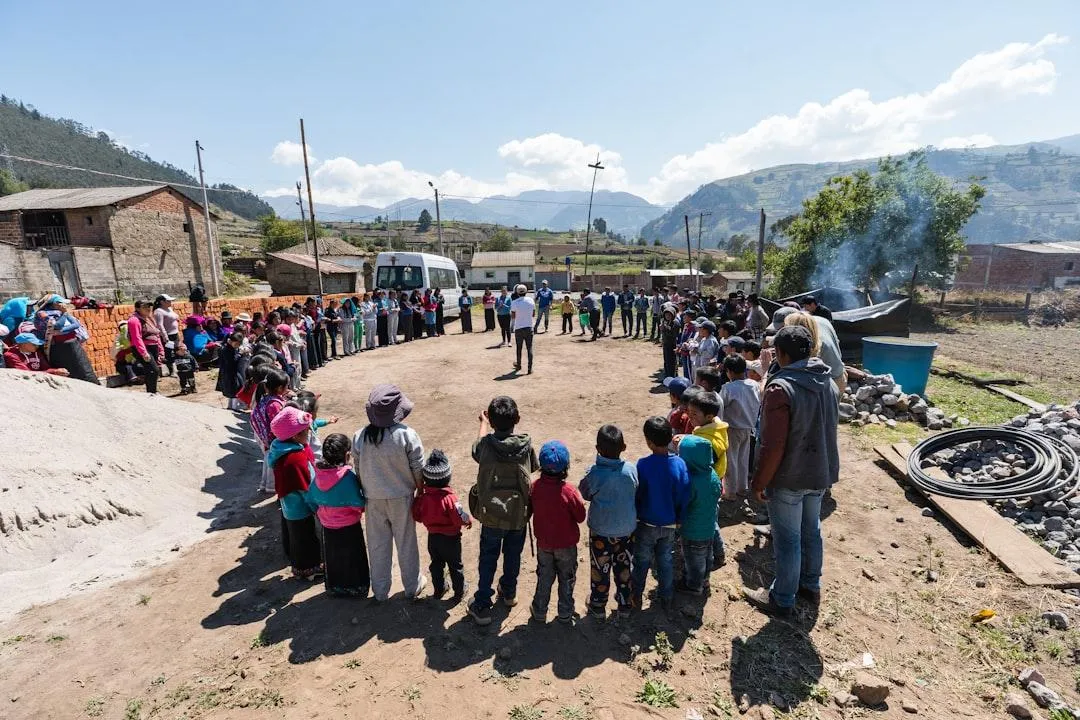
Community Learning
Learning is not confined to the walls of a classroom; it is an ongoing journey that can happen anywhere. Community learning encompasses the rich, dynamic experiences that occur beyond traditional educational settings, allowing individuals to engage with the world around them in meaningful ways.
Whether it’s gaining cultural awareness through travel, creating public art to beautify a neighborhood, cultivating a community garden, playing a sport, or mastering a musical instrument, these activities provide opportunities for growth and discovery.
Such experiences foster creativity, collaboration, and practical problem-solving while deepening connections to others and the world. Community Learning encourages individuals to explore diverse perspectives, develop valuable skills, and contribute positively to their communities, proving that rich learning experiences truly have no boundaries.
Advisory
Daily Advisory for Human Connection
Advisory is a dedicated time each day focused on fostering students' social-emotional growth, building community, and supporting academic and personal development. Highlights include engaging activities that promote self-awareness, empathy, and collaboration, as well as opportunities for skill-building and reflection. Through meaningful discussions, team-building exercises, and goal-setting; students strengthen connections with peers and develop the tools they need to thrive both in and out of the classroom.
Structure (1 Hour)
Welcome, Check-In, and SEL Focus (10-20 Minutes)
Purpose: Create a safe, welcoming environment and foster social-emotional growth - a daily advisory for human connection.
Activities: Begin with a brief mindfulness exercise or icebreaker. Conduct an emotional check-in (e.g., a quick round where students share how they’re feeling). Teach and practice SEL skills through guided discussions, role-playing, journaling, or group exercises. Assign advisory roles or tasks (e.g., discussion leader, note-taker, or activity planner) to rotate responsibility and encourage leadership.
Skill Building or Community Time (20-25 Minutes)
Purpose: Develop practical skills and strengthen the advisory group.
Activities: Conduct academic or life skills workshops (e.g., study tips, stress management, time management, budgeting). Organize team-building exercises or fun group activities (e.g., trivia or games). Set weekly goals and reflect on group achievements. Check on progress in other learning Elements
Sharing and Collaboration (10-15 Minutes)
Purpose: Build connections, encourage active participation and encourage public speaking.
Activities: "Show and tell" sessions for students to share completed assignments they are proud of or something else meaningful. Group storytelling or collaborative problem-solving activities.
Closing Reflection (5-10 Minutes)
Purpose: End on a positive, reflective note.
Activities: Share one highlight or take away from the session. Preview upcoming sessions or events. Close with a motivational quote or affirmation.
Sample-Weekly Thematic Focus: Overall areas to incorporate
Monday: Goal setting, SEL focus, and planning for the week.
Tuesday: Science skill-building (e.g., hands-on experiments, exploring scientific concepts, or STEM challenges).
Wednesday: Book studies (e.g., group reading, discussing themes, or literary analysis, critical thinking activities).
Thursday: Project-based learning (e.g., collaborative projects that integrate various skills, ideation, and topics to inspire).
Friday: Reflection, celebration, and fun (e.g., group games, sharing successes, and planning for the next week).
This outline provides a framework but can be adjusted as needed if certain activities require more time. The key is to focus on areas that engage students' interests while still maintaining a clear and consistent structure.

Empowering learners worldwide with accessible, quality education.
Links
Newsletter
Join our community to stay updated on the latest courses, exclusive content, and learning resources. Subscribe now and take the next step in your educational journey!